

The World’s Highest Observatory Opened in Chile
After 26 years of planning and construction, the Tokyo University Atacama Observatory (TAO) opened last week. Located at an altitude of 18,500 feet on Chajnantor Mountain in the Atacama Desert of Chile, the 6.5-meter optical infrared TAO telescope is currently the world’s highest telescope. TAO will replace a smaller version called MiniTAO, which previously held the title of the highest telescope. Most of the world’s largest observatories are built in a high-altitude region near Bolivia, northeast of Chile, due to the clear skies. The country’s tax exemptions for such projects are also helpful. Some of these observatories include the James Ax Observatory Atacama Cosmology Telescope and the Llano de Chajnantor Observatory. 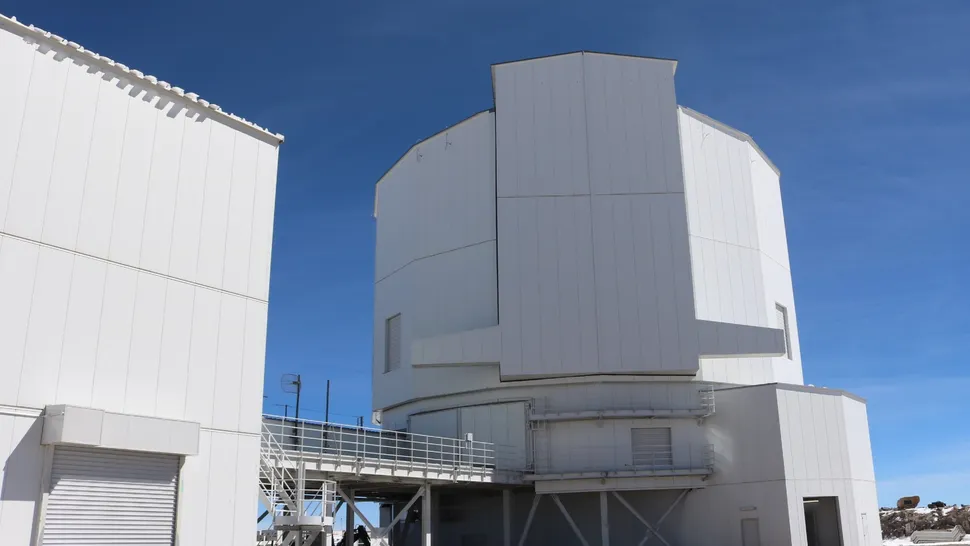 Being at such a high altitude means there is much less moisture in the air. TAO can observe almost all near-infrared wavelengths, including mid-infrared. Tokyo University states that terrestrial observatories like this one can take higher-resolution images of space compared to their space-based counterparts, thanks to their larger apertures. According to a statement by the university, the telescope will be used to study the birth of galaxies and the origins of planets starting from 2025.
Although the observatory has been under discussion for 26 years, fieldwork began in 2006 with the laying of the first access road to the summit of Chajnantor Mountain and later the installation of a weather monitor. 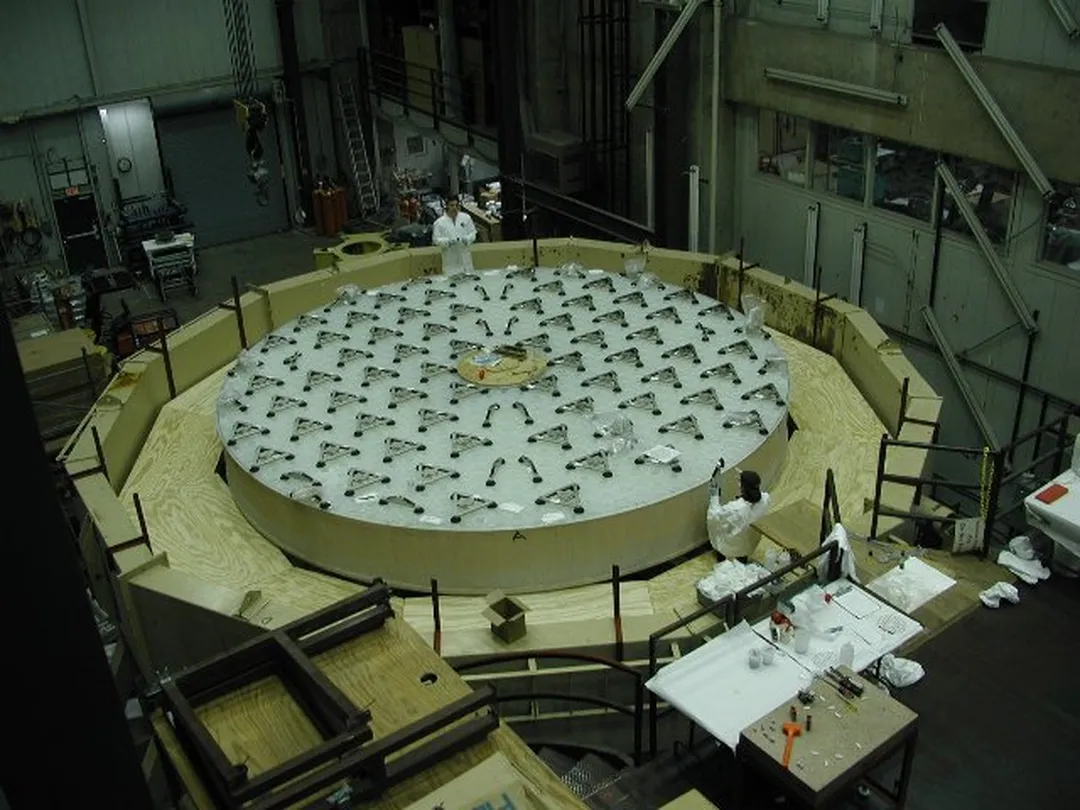
The First Crewed Launch of Boeing Starliner Postponed!
NASA was expected to conduct the first crewed test flight of the Boeing Starliner spacecraft in recent days. The launch, planned to take place at Cape Canaveral, Florida, aboard a United Launch Alliance Atlas V rocket at 22:34, was postponed due to an issue with the rocket. It was announced that the launch was canceled due to a problem with one of the valves on the rocket, and no information was provided about a new launch date.
This final critical test for Starliner, which will be launched from the Kennedy Space Center, was intended to test the new spacecraft and take the crew to the International Space Station for approximately a week. This long-delayed mission, part of NASA’s Commercial Crew Program, will provide NASA and future space tourists with more options to reach low Earth orbit if successful in future launches. 
The Story of Starliner
Following the retirement of NASA’s space shuttle in 2011, NASA invited commercial space companies to assist in transporting cargo and crew to the International Space Station. In 2014, NASA contracted with Boeing and SpaceX for Starliner and Dragon. Starliner was designed to carry up to seven crew members to and from low Earth orbit. It was designed to support NASA missions to the International Space Station, carrying up to four crew members at a time and remaining docked for up to seven months. The crew capsule, in which the crew sits, is 15 feet tall, slightly larger than the Apollo command module or the SpaceX Dragon. Boeing designed Starliner to be partially reusable to reduce the cost of space transportation. While both the Atlas V rocket that carries it to space and the service module that supports it are expendable, the Starliner crew capsule can be reused up to 10 times with a turnaround time of six months. Boeing has produced two flight-worthy Starliners to date. 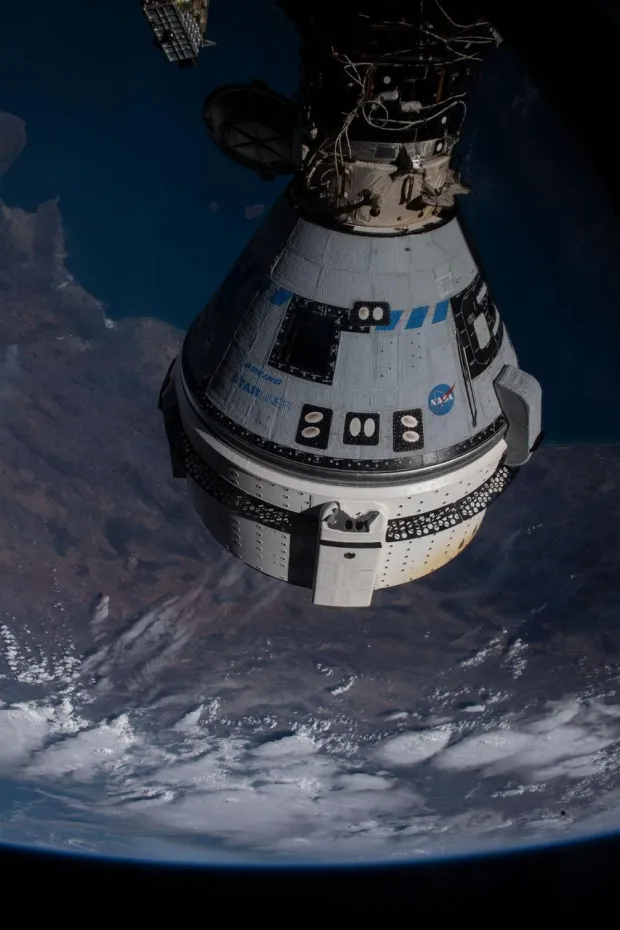
SpaceX Unveils New Spacesuit Designed for Spacewalks
SpaceX has unveiled a new spacesuit, known as the Extravehicular Activity (EVA) suit, which will be worn during the upcoming Polaris Dawn mission, the first commercial astronaut spacewalk. The new spacesuit features increased mobility, a state-of-the-art helmet, a visor, and a camera. Unlike previous designs, the spacesuit has been designed to allow astronauts to move more freely in space, without the bulky backpacks seen in earlier models. SpaceX will provide life support systems for the suit through a cable from the spacecraft. 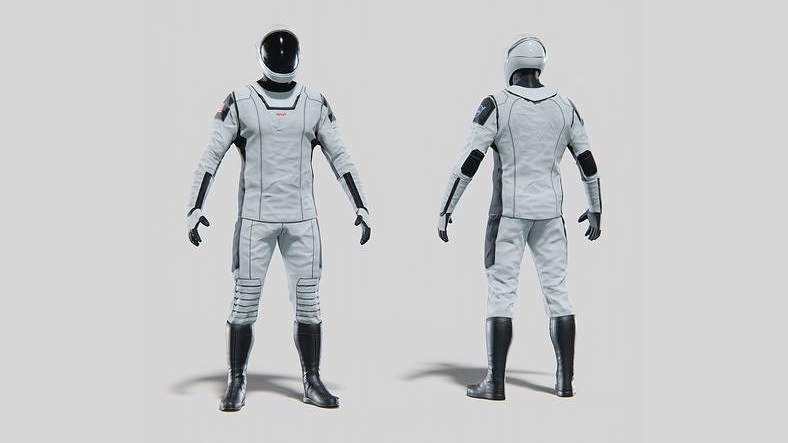 Elon Musk’s SpaceX, in a statement, said, “Building a base on the Moon and a city on Mars will require millions of spacesuits.” “The development of this suit and the execution of spacewalks represent significant steps towards a scalable design for spacesuits for future long-duration missions as life becomes multi-planetary.”
Although no date has been set for the launch of the Polaris Dawn mission, SpaceX is targeting the summer months of this year. Additionally, the Polaris Dawn mission will be led by Jared Isaacman, who made history with the Inspiration4 mission in 2021, the first all-civilian flight to space.
This Week In Our Art Corner
What Is It Like to Travel Inside a Black Hole?
NASA has shown what we might experience if we were to fall into a black hole in a video. Created by astrophysicist Jeremy Schnittman from NASA’s Goddard Space Flight Center, the video demonstrates what could happen as we pass beyond the event horizon, where even light cannot escape the black hole’s gravitational pull.
In these visualizations, Schnittman aims to illustrate the theoretical aspects of relativity with observable consequences. The video presents two different scenarios. In the first scenario, events that could be observed as the event horizon is grazed are depicted.
In the second scenario, however, the camera directly passes through the center of the black hole. Thus, our camera embarks on a journey inside this mysterious cosmic structure, which is unknown to us. After a while, our sense of direction and the extents of light vanish. Eventually, our camera is engulfed in absolute darkness.