Mars and Moon Habitats: What Will Future Homes Look Like?
Humanity is getting closer to turning space into a permanent home with each passing day. The planned construction of habitats on Mars and the Moon no longer seems like a concept out of science fiction; engineers and architects are taking concrete steps toward this goal. The Moon, in particular, is considered the most ideal celestial body for building habitats due to its proximity to Earth and relatively less challenging conditions. Major space agencies like NASA and ESA emphasize that lunar bases will serve as hubs for scientific research and waypoints for missions to distant planets like Mars. For example, the use of water ice reserves found in the Moon’s polar regions could play a critical role in meeting essential needs, from energy production to oxygen extraction.
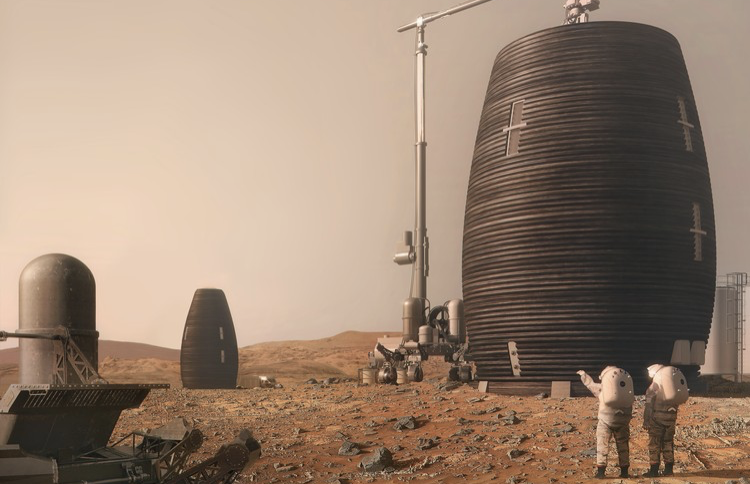
Designing habitats on Mars, however, presents greater technological challenges than on the Moon. Mars’s thin atmosphere, high radiation levels, and extreme cold conditions require innovative solutions to build sustainable structures on the planet. NASA’s 3D-Printed Habitat Challenge, held in 2015 and concluded in 2019, demonstrated that construction on Mars could be achieved with minimal human intervention through AI-supported robotic technologies. Additionally, experiments conducted in India’s regions resembling Martian and lunar terrains aim to enhance astronauts’ skills in constructing structures with local materials on these planets. Such simulations are among the most critical steps toward establishing permanent colonies in space.
Signs of Life on Uranus and Its Moons
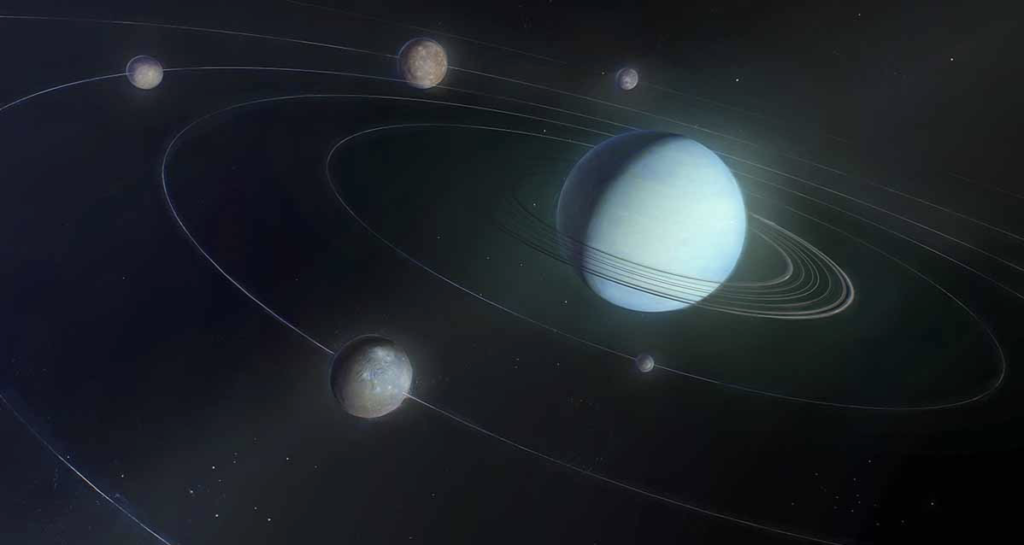
Uranus and its five major moons, located in the distant corners of the Solar System, were long considered “dead.” However, recent studies have revealed that this giant planet and its moons may be much more dynamic than previously thought. Particularly, large moons like Titania and Oberon are believed to harbor subsurface oceans beneath their icy crusts, with the potential to support life. Data from NASA’s Voyager 2 mission suggests that these oceans could be insulated by internal heat, creating conditions suitable for microbial life. Uranus’ magnetic field and the presence of water on these moons expand the search for life to uncharted regions of the Solar System.
NASA is planning a new mission, scheduled to reach Uranus by 2045, to study its system in greater detail. This mission will not only investigate Uranus’ atmospheric composition and the depths of its moons’ oceans but also help us understand why the planet has such extreme conditions. Scientists suggest that Uranus and its moons hold significant potential in the search for extraterrestrial life and may heighten interest in other “ice giant” planets within the Solar System.
The Age of the Moon: A History Rewritten
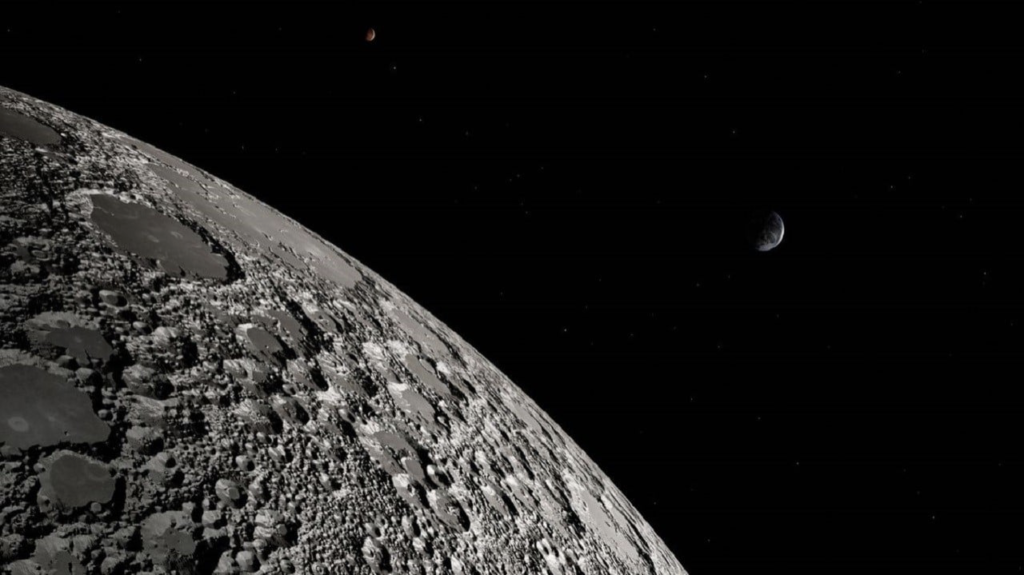
Recent analyses reveal that the Moon may be approximately 40 million years older than previously thought. New findings confirm that the Moon formed about 4.5 billion years ago as a result of a colossal impact between Earth and another celestial body. Scientists consider this collision one of the most significant events in Earth’s history, shaping both the planet and its satellite into what they are today. This discovery provides critical insights into the early evolution of the Solar System.
These findings were made possible through more precise dating techniques applied to lunar rock samples. The revised age of the Moon is crucial not only for understanding Earth’s past but also for studying how planets evolve within the Solar System. Future human-led lunar missions, such as NASA’s Artemis program, could further advance scientific research and help uncover the secrets of our Moon.
This Week in Our Arts Corner: After Earth
Directed by M. Night Shyamalan, After Earth (2013) tells a survival story set a thousand years after humanity abandoned Earth. Following a crash landing on the now-hostile planet, father and son Cypher (Will Smith) and Kitai (Jaden Smith) must navigate an evolved and dangerous wilderness while confronting the challenges in their relationship. The film blends its sci-fi setting with striking visual effects, focusing on themes of fear, resilience, and familial bonds. For viewers seeking both action and an emotional narrative, After Earth is a compelling choice.