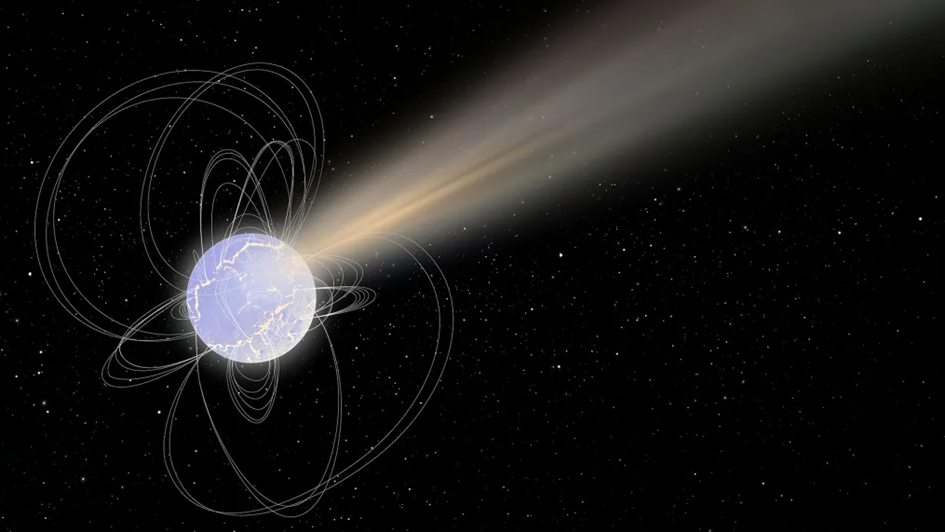
Scientists Identify the Source of Intense Radio Signal from the Depths of Space
This week, scientists succeeded in tracing the source of an intense radio signal from the depths of space. The signal was found to originate from a galaxy 2 billion light-years away, with an age of 11.3 billion years. These types of signals, known as “Fast Radio Bursts” (FRBs), are short but extremely powerful bursts of radio waves. Most FRBs send out intense radio waves in a very brief period, and their source had remained unresolved until now. This discovery opens a significant window into the early stages of the universe and could offer new insights into cosmic structures.
Scientists note that studying these types of signals could provide answers to fundamental cosmological questions, such as the expansion rate of the universe, the nature of black holes, and the formation of cosmic structures. Understanding these signals will help foster a deeper comprehension of the universe’s structure in the fields of astrophysics and cosmology. While previous theories on the origins of FRBs pointed to black holes, neutron stars, and other cosmic events, this new discovery suggests that these signals might come from a different source than previously expected.
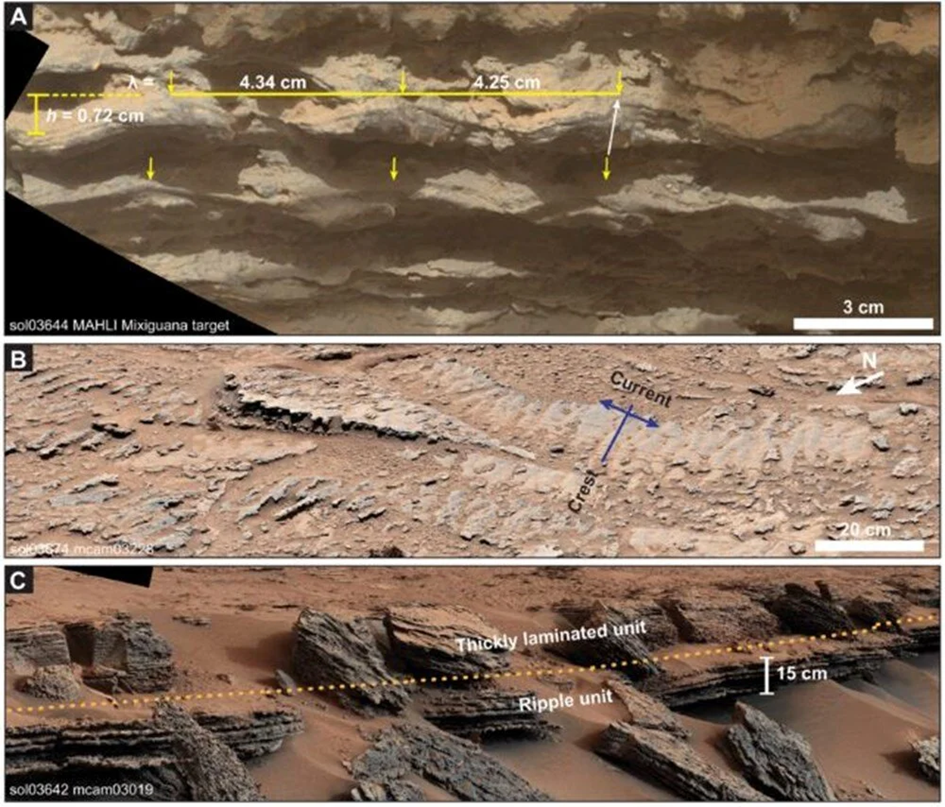
Wave Traces on Mars: Could It Have Hosted Life 3.7 Billion Years Ago?
The latest discovery on Mars offers a significant clue about the planet’s potential for hosting life in the past. Wave traces on the surface of Mars, dating back 3.7 billion years, indicate that the planet may have once been covered by oceans, creating conditions that could have been suitable for microbial life. These traces provide solid evidence of the planet’s water bodies, as well as offering insights into the planet’s geological history. The discovery suggests that, much like Earth, Mars could have had water in the past, which might have created favorable conditions for life.
Additionally, this discovery reinforces previous research on the presence of water on Mars. The region where these wave traces were found raises new questions about how water levels on the Martian surface changed over time and how water may have influenced the planet’s terrain. Scientists emphasize that Mars’ atmosphere may have once supported conditions that were conducive to life. This finding is significant for future missions aimed at searching for evidence of past life on Mars and understanding its role in the planet’s evolution.,
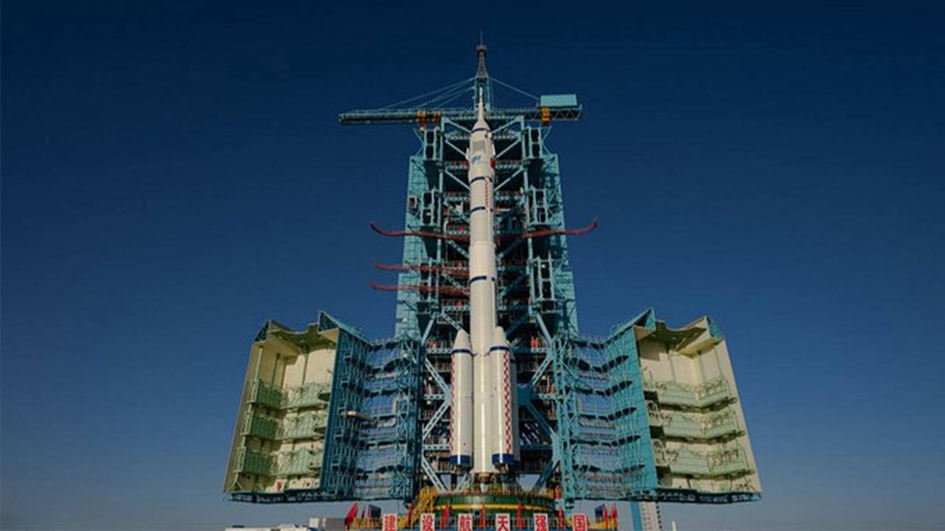
Shenzhou-19 Astronauts to Perform Second Spacewalk
China’s Shenzhou-19 mission is preparing for the second spacewalk to conduct maintenance and installation of equipment outside the space station. This mission will allow the astronauts, or taikonauts, to gain valuable experience in long-duration space missions, while simultaneously enhancing the operational capacity of the space station. Spacewalks are considered critical activities as they involve astronauts performing various tasks in space, such as repairing equipment on the exterior of the station. By conducting these walks, China aims to expand the station and contribute to scientific research on a global scale.
This spacewalk, part of the Shenzhou-19 mission, further demonstrates China’s commitment to space research. The astronauts will mount new modules and check existing equipment during the spacewalk. This task will contribute to the goal of expanding the space station and fostering increased international collaboration in scientific research. Spacewalks not only help astronauts overcome the physical and psychological challenges of long-duration space missions, but they also hold the potential to enhance international cooperation on future projects.
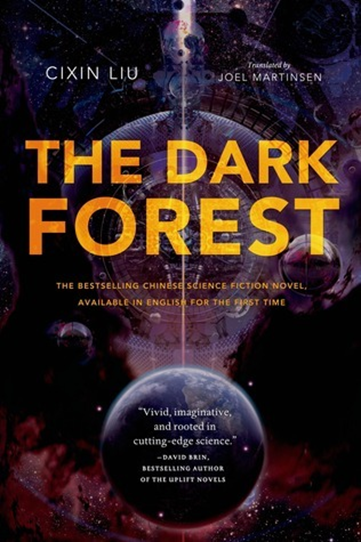
This Week in Our Art Corner: “The Dark Forest” by Cixin Liu
In this week’s art corner, we recommend “The Dark Forest” by Cixin Liu, the second book in his “The Three-Body Problem” series. The book explores potential encounters between humanity and alien civilizations, survival strategies in the depths of the universe, and humanity’s existential struggle. A must-read for science fiction lovers, this novel not only invites reflection on the vastness of the universe but also presents a deep exploration of humanity’s future and cosmic isolation.