90 Year Old Ed Dwight to Go to Space
Blue Origin, the aerospace and space research company founded by Jeff Bezos, announced that they will send 90 year old Ed Dwight into space on the next mission of New Shepard. The first African American astronaut candidate of the United States will go to space after 63 years. New Shepard, which has a rocket-capsule system, performs suborbital space flights. The 6-person crew of the vehicle, which will make its first manned flight since August 2022, was announced in the past weeks. In a statement by Blue Origin, it was stated, “Former U.S. Air Force Captain Ed Dwight was selected as the country’s first African American astronaut candidate by U.S. President John F. Kennedy in 1961 but never had the opportunity to fly to space.”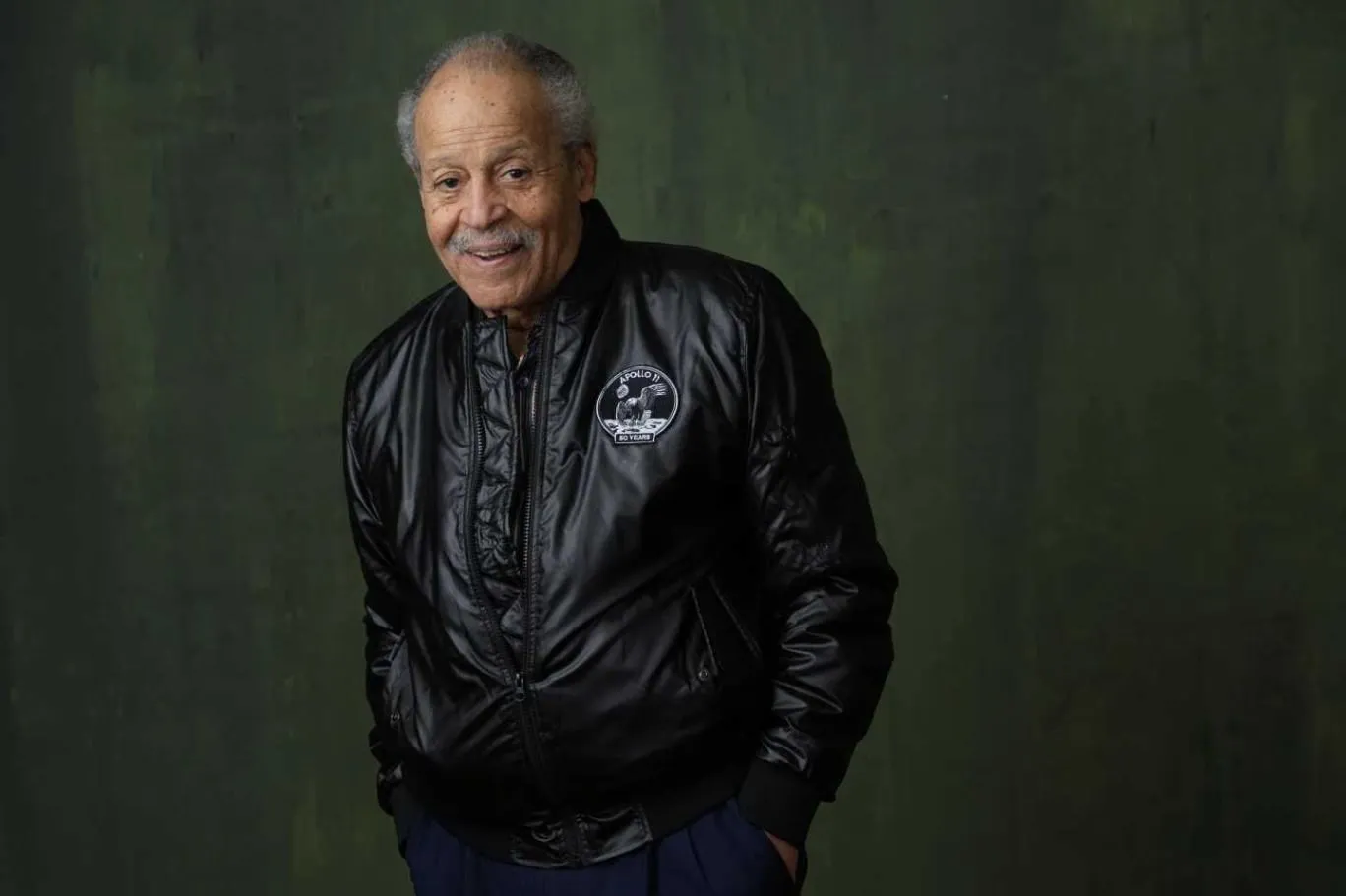
After successfully completing the Aerospace Research Pilot School program in 1963, Ed Dwight was recommended to NASA Astronaut Corps by the U.S. Air Force, but he was not among the selected candidates. The first African American American astronaut to go to space was Guion Bluford, who participated in the STS-8 mission of the Challenger Space Shuttle in 1983. Jeff Bezos’ company did not disclose how much participants paid for this 11-minute experience, but the first seat was sold for $28 million in 2021. The sponsorship of Dwight’s trip is undertaken by the non-profit organization Space For Humanity and the Jaison and Jamie Robinson Foundation. The date of the flight has not yet been announced. New Shepard, which organizes research flights and tourist trips, experienced an anomaly in its crewless flight in September 2022. The capsule on top of the rocket separated from the rocket shortly after launch due to a problem in the rocket section, landing back in the U.S., but the rocket section exploded. The suborbital vehicle successfully completed its crewless mission in December 2023, returning to flights.
The other 5 members of the NS-25 mission crew are as follows: venture capitalist Mason Angel, founder of Brasserie Mont Blanc Sylvain Chiron, software engineer and entrepreneur Kenneth L. Hess, retired accountant Carol Schaller, and aviator Gopi Thotakura. 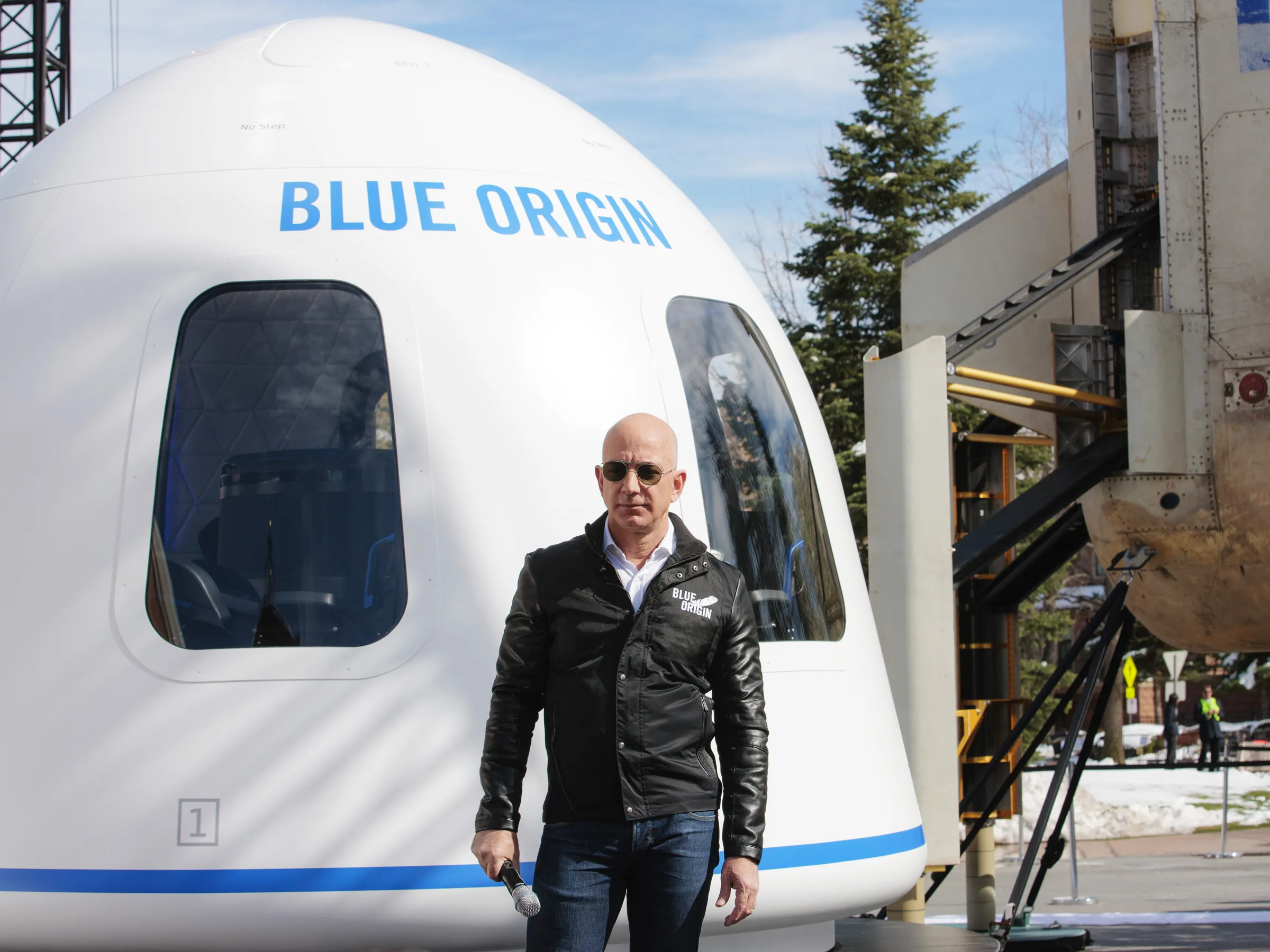
The First Results of the Dark Matter Experiment Shared
The initial results of the experiment called BREAD (Broadband Reflector Experiment for Axion Detection), developed by the University of Chicago and Fermilab, a laboratory under the U.S. Department of Energy, have been announced. According to the research published in the journal Physical Review Letters, although the BREAD experiment has not yet detected dark matter particles, it presents a new and relatively inexpensive approach that could be used to discover dark matter. Dark matter is considered a mysterious substance that makes up about 85% of the matter in the universe but remains invisible as it does not interact with light. This invisibility makes it challenging for scientists to determine what dark matter is made of. BREAD employs a broadband approach to search for hypothetical dark matter particles called “axions” and associated “dark photons” over a wider range of possibilities than other experiments. Axions are presumed to be particles with an extremely small mass that could interact with dark photons. Designed as a tabletop coaxial dish antenna, BREAD aims to capture photons and direct them to a sensor to search for a subset of possible axions. 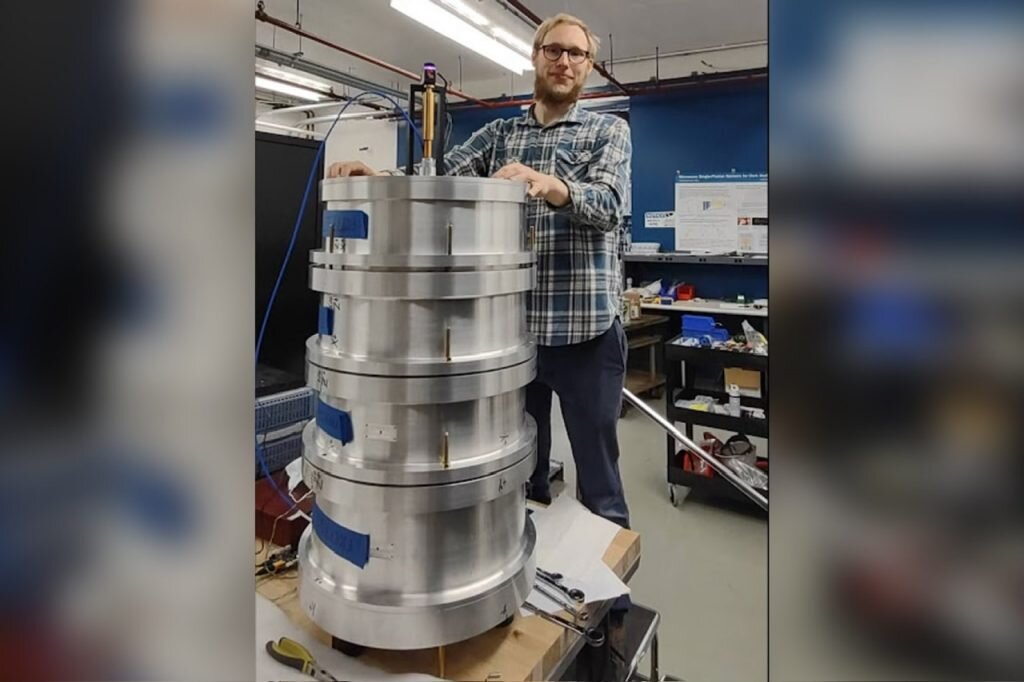 David Miller, a scientist from the University of Chicago and co-leader of the project, describes BREAD as follows: “If you think of this like a radio, the search for dark matter is like tuning the dial to find a particular radio station, except there are millions of frequencies to check. Our method is like scanning through 100,000 radio stations instead of just a few.”
Despite comprising approximately 85% of the matter in the universe and preventing galaxies from drifting apart as they rotate, we know very little about why dark matter exists. This uncertainty arises from the fact that dark matter does not interact with light. While we cannot directly observe dark matter, we can observe its effects through gravitational interactions, which influence galaxies and even light itself. 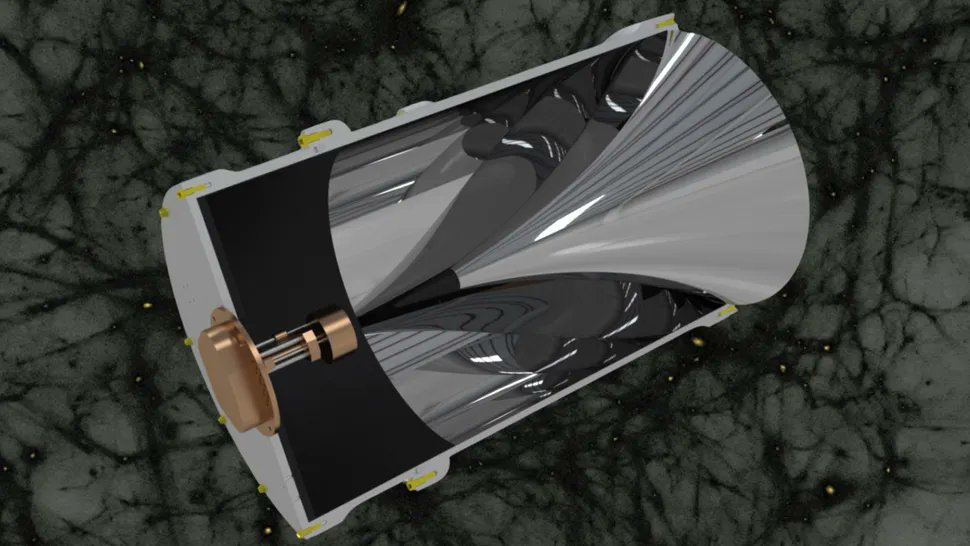
The research team states that in the full-scale BREAD experiment, the equipment will be placed in a strong magnetic field, which is expected to increase the chances of axions converting into photons. In the conducted BREAD experiment, the team obtained some intriguing data. In this proof-of-concept test, BREAD demonstrated high sensitivity within the frequency range it was designed to explore. The test also showed that the experiment could be conducted in massive particle accelerators like the Large Hadron Collider (LHC), which stretches over 27 kilometers.
NASA Confirms That Object That Hit Florida House Came From ISS
A piece of metal that shattered a home in Florida last month fell from the International Space Station, NASA has confirmed. The space object, which appeared to be partially melted and crushed, was identified by space agency officials as the remains of a strut used to mount nickel hydride batteries onto the cargo pallet after they were replaced with more capable lithium-ion units. Flight controllers launched the pallet using the space station’s robotic arm in March 2021, intending for the pallet and its contents to burn up when it entered Earth’s atmosphere. However, the 10 cm long and 4 cm wide fragment did not burn upon entry into the atmosphere and hit the roof and two floors of Alejandro Otero’s house in Naples. On March 15, Otero shared photos of the piece and the damage it caused to his home on social media and wrote, “Almost hit my son.” Otero contacted NASA following the recommendation in his post. The debris was taken for examination at the Kennedy Space Center in Florida. 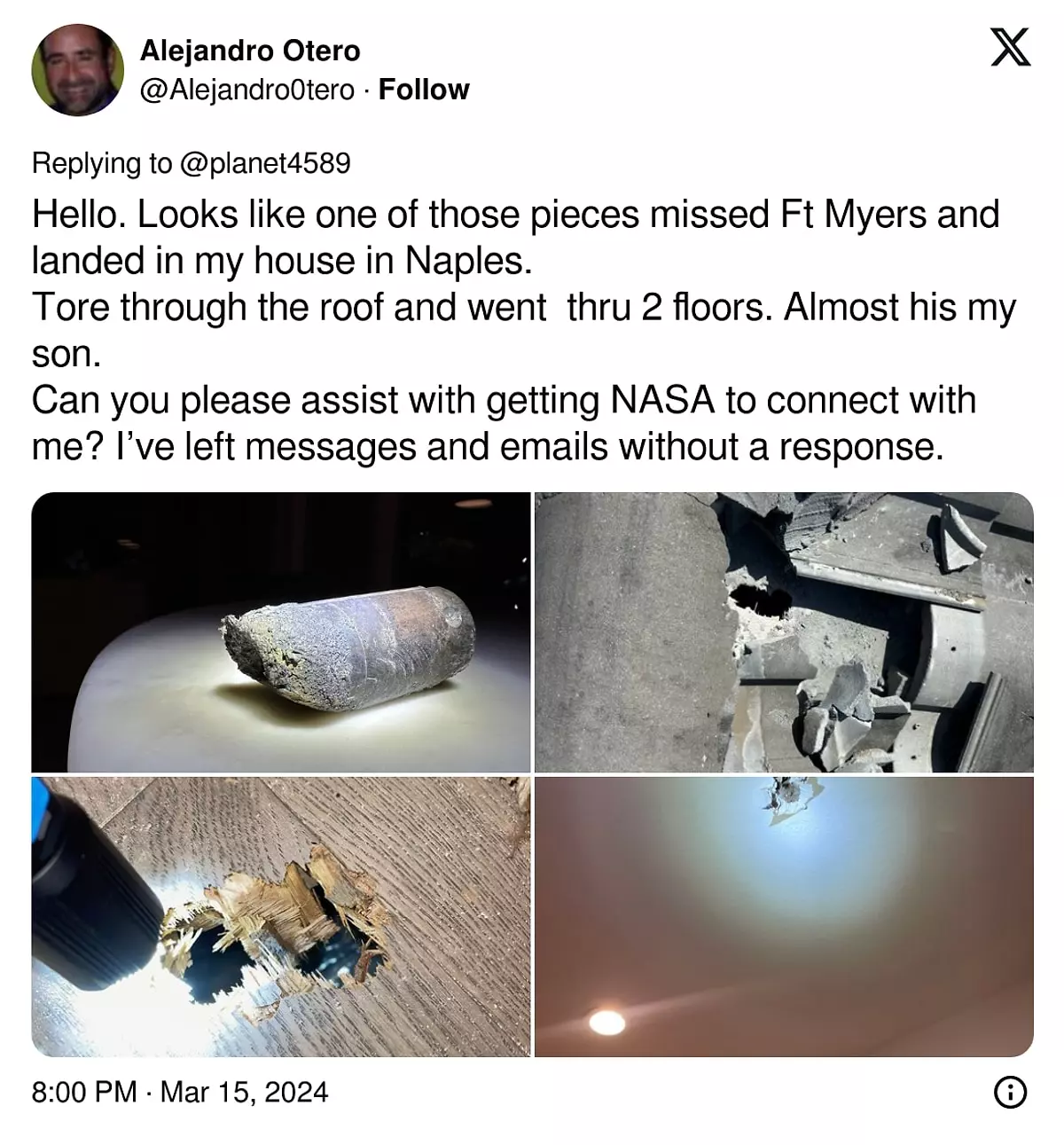 “NASA completed an evaluation of the object’s dimensions and properties compared to released hardware and performed a materials analysis,” NASA said on its website. Based on examination, the agency determined that the debris was a strut from NASA flight support equipment used to mount the batteries on the cargo pallet. The International Space Station [program] will conduct a detailed investigation of the launch and reentry analysis to determine the reason for the debris failure to burn and update the modeling and analysis as necessary. NASA experts use engineering models to predict how objects heat and break apart during re-entry into the atmosphere. “These models require detailed input parameters and are updated regularly when debris is found to have survived re-entry from the atmosphere to the ground,” he wrote.
 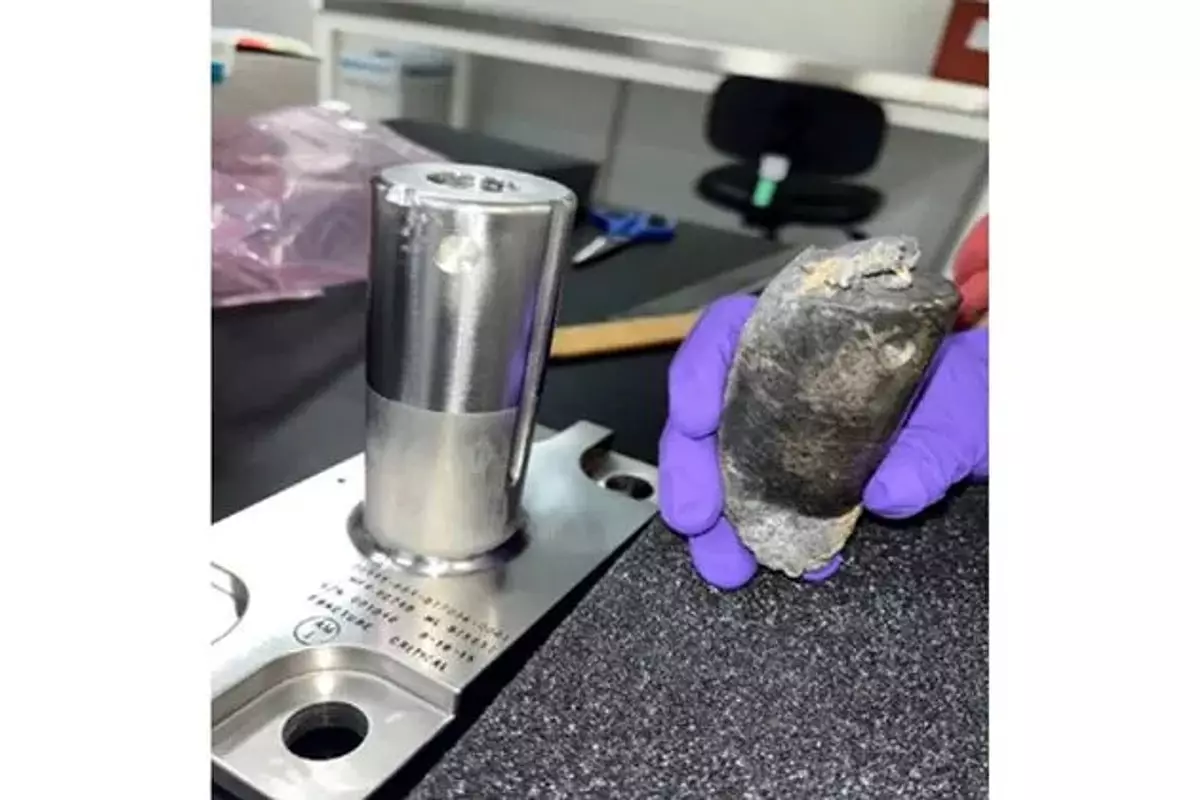 The piece that fell was a small portion of approximately 2630 grams of material, including 725 grams of Inconel metal alloy, pallets and batteries.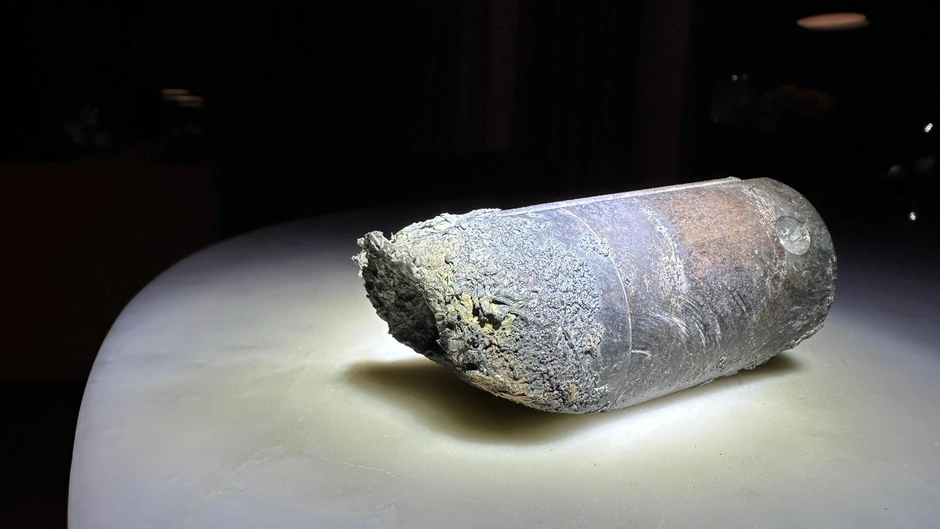
This Week in Our Art Corner
Transformers Series
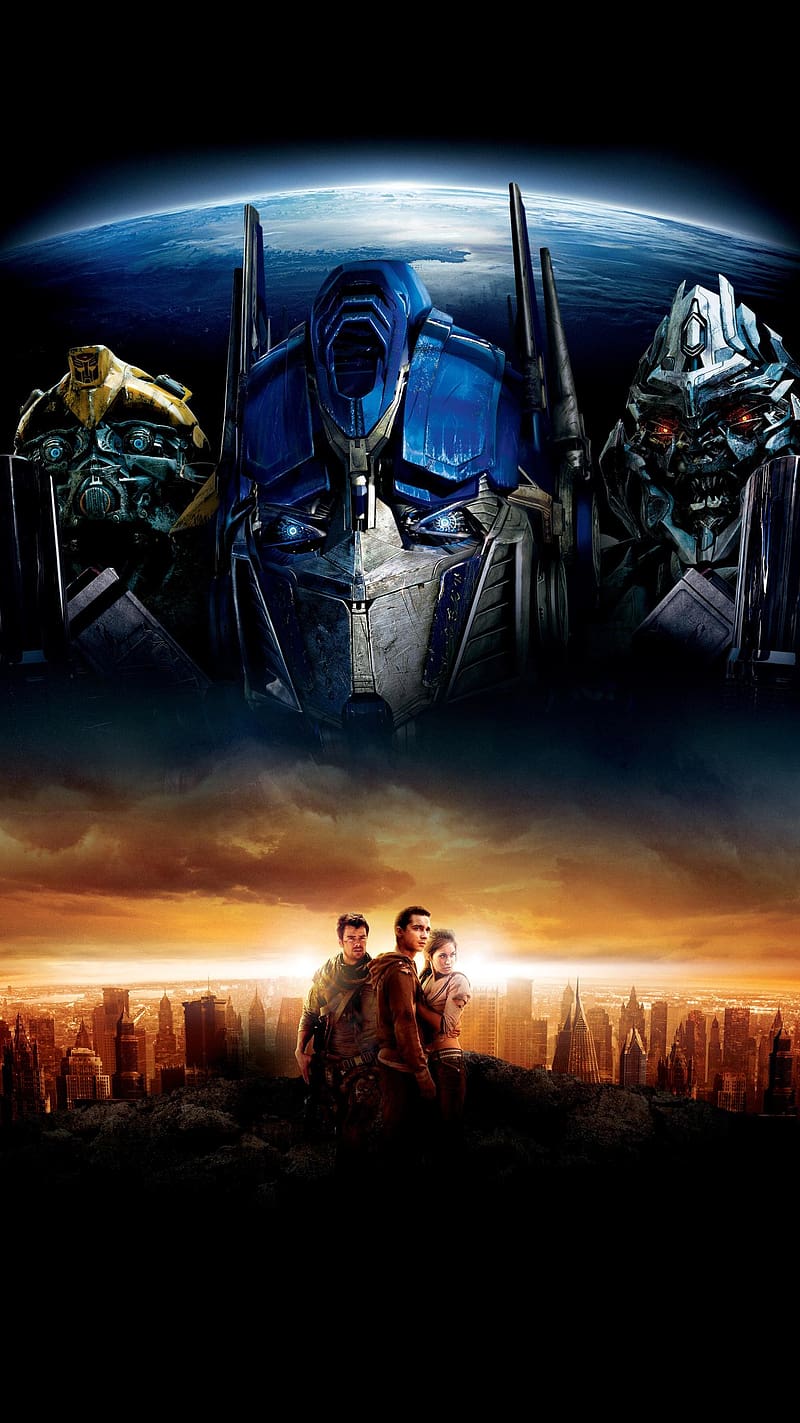
The Transformers series is a science fiction film series that revolves around epic battles between robots and the interaction between humanity and machines. Originating as popular toys and animated series in the 1980s, Transformers was adapted to the big screen with the 2007 film of the same name directed by Michael Bay. The series depicts the war between two robot factions, the Autobots and the Decepticons, their interactions with humans, and the events that shape the fate of our planet. Known for its high-budget action sequences, visual effects, and iconic Transformer characters, the series features performances by actors such as Shia LaBeouf, Megan Fox, Mark Wahlberg, and Anthony Hopkins, alongside unforgettable characters like Optimus Prime, Bumblebee, Megatron, and Starscream. While delivering thrilling science fiction experiences to audiences, the Transformers series also explores themes of friendship, loyalty, and humanity.